
Key Takeaways
- Adopt proper posture to alleviate spinal strain.
- Engage in regular physical activity to strengthen back muscles.
- Set up an ergonomic workspace to support spinal alignment.
- Incorporate daily stretching to maintain flexibility.
- Manage stress to prevent muscle tension affecting the spine.
Table of Contents
- Adopt Proper Posture
- Engage in Regular Physical Activity
- Set Up an Ergonomic Workspace
- Incorporate Daily Stretching
- Manage Stress Effectively
- Maintain a Healthy Diet
- Ensure Quality Sleep
- Stay Hydrated
Maintaining a healthy spine is not only vital for comfort but is also key to an active, mobile lifestyle. By adopting a few foundational habits each day, you can substantially lower your risk of back pain and benefit from improved overall well-being. Whether at work or at home, paying attention to your spine’s needs today brings lasting mobility in the years to come. For those experiencing back discomfort or sciatica, consider consulting an experienced chiropractor for sciatica treatment in Newport News VA, to evaluate your spinal health.
Prevention starts with proactive care. Integrating the habits below into your routine requires only a small investment of time but delivers outsized rewards for spinal support, flexibility, and comfort.
See also: Practical Financial Wellness Tips for Everyday Life
Adopt Proper Posture
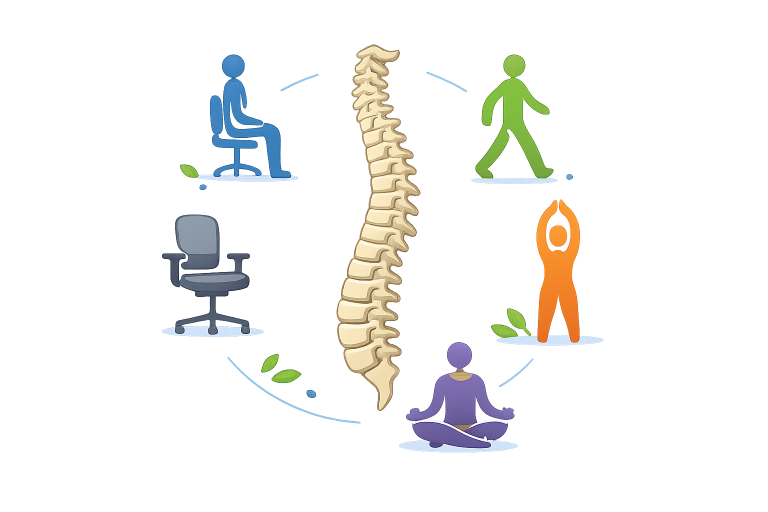
Good posture is a cornerstone of spine health. Standing tall with your ears, shoulders, hips, knees, and ankles in alignment helps distribute your body weight evenly, relieving unnecessary stress on your spine. While seated, keep your feet flat on the floor and maintain a 90-degree angle at your knees. Use a chair that supports your lower back, and be mindful of your posture during everyday activities, including driving and using handheld devices.
Engage in Regular Physical Activity
Exercise is critical for strengthening the muscles that support your back. Activities such as walking, swimming, and yoga encourage flexibility and core strength, both essential for spinal protection. Incorporate a mix of aerobic exercise, resistance training, and targeted stretching into your weekly routine. According to the Mayo Clinic, regular movement keeps spinal structures in good condition and minimizes the risk of injury.
Set Up an Ergonomic Workspace
Spending long hours at a desk without proper ergonomics can undermine even the healthiest posture habits. Arrange your workspace so your computer screen is at eye level, which prevents neck and upper back strain. Select a chair with lumbar support, and make sure your feet rest comfortably on the floor or on a footrest. Keep your keyboard and mouse within easy reach to avoid awkward stretching or twisting, helping to reduce the risk of repetitive strain injuries.
Incorporate Daily Stretching
Stretching routines that target the spine and its supporting muscles improve overall flexibility and reduce stiffness. Focus on stretches for the hamstrings, hip flexors, and lower back. The knee-to-chest stretch and cat-cow yoga pose are effective examples. Daily stretching lowers muscle tension, helps prevent spinal issues, and can be particularly beneficial for those with sedentary jobs.
Manage Stress Effectively
Persistent stress often manifests in muscle tension, particularly in the neck and upper back, contributing to spinal discomfort. Incorporating stress management strategies such as deep breathing, mindfulness meditation, and regular physical activity can interrupt the cycle of tension and pain. Simple practices like taking short walks, practicing gratitude, or engaging in hobbies can all provide mental respite and reduce the physical impacts of stress on your spine.
Maintain a Healthy Diet
Diet plays an important role in maintaining the strength and flexibility of the bones and tissues that support your spine. Include foods rich in calcium and vitamin D for bone health, as well as anti-inflammatory choices like colorful vegetables, fruits, and omega-3 fatty acids found in fish and flaxseed. A healthy diet not only fuels your body but also helps prevent excess weight gain, which can increase strain on the lower back and spinal joints.
Ensure Quality Sleep
Sleep quality directly affects spinal health. Select a supportive mattress that keeps your body in neutral alignment and use pillows strategically to support your natural spinal curve. Side sleepers may benefit from a pillow between their knees, while those who sleep on their back can place a pillow beneath their knees. These strategies help preserve spinal alignment and reduce overnight strain, aiding recovery and comfort.
Stay Hydrated
Your spinal discs are primarily composed of water, making adequate hydration crucial. Drinking enough water throughout the day ensures that your discs remain pliable and able to absorb shocks effectively. Inadequate hydration can contribute to disc degeneration and back stiffness, making it essential to reach for water regularly, especially if you are active or exposed to heat.
By building these simple habits into your everyday life, you can set the foundation for strong spinal health, less back pain, and greater overall comfort. Over time, your posture, strength, flexibility, and well-being will benefit from these practical steps, helping you stay active and pain-free for years to come.