
Choosing human Serum Albumin may sound simple, but it becomes confusing when you begin the comparison.
On paper, many products look similar. However, in practice, subtle variations in purity, endotoxin content, and production quality can impact cell viability, experimental consistency, and results.
Those differences can make a big impact when you are dealing with cell culture, stem cell studies, biologics development, or regenerative medicine.
The challenge is that not every human Serum Albumin solution is suited to the same application. A material with good performance in one laboratory might not do as well in another.
Here, source material, batch consistency, quality documentation, and suitability for recombinant proteins or cell culture media all contribute to its suitability.
But how do you select the right Serum Albumin? Keep reading.
This blog lists five key points you should keep in mind when choosing human Serum Albumin for laboratory research.
Factor 1: Purity Requirements for Reliable Cell Culture Results
When evaluating human Serum Albumin, purity should be one of the first specifications you review.
Products are compared by many researchers using recombinant protein catalogs because they contain extensive information regarding quality control processes, tests, and manufacturing. This information about purity levels can be used to determine if a product may be suitable for high-performance laboratory applications.
Together with recombinant proteins, cytokines, and growth factors, human Serum Albumin is frequently added to cell culture media. However, contaminants might disrupt cell signaling, cause protein instability, and affect experimental results. Even slight impurities can introduce unwanted factors that could affect the interpretation of data.
Another major application of high-purity albumin is in the research of stem cells, regenerative medicine, and the development of biologics. These are applications in which consistency and control are the most important factors and will likely involve the most stringent conditions. Therefore, choosing a highly purified product helps reduce variability and supports reliable research results.
Factor 2: Source Selection for Advanced Research Applications
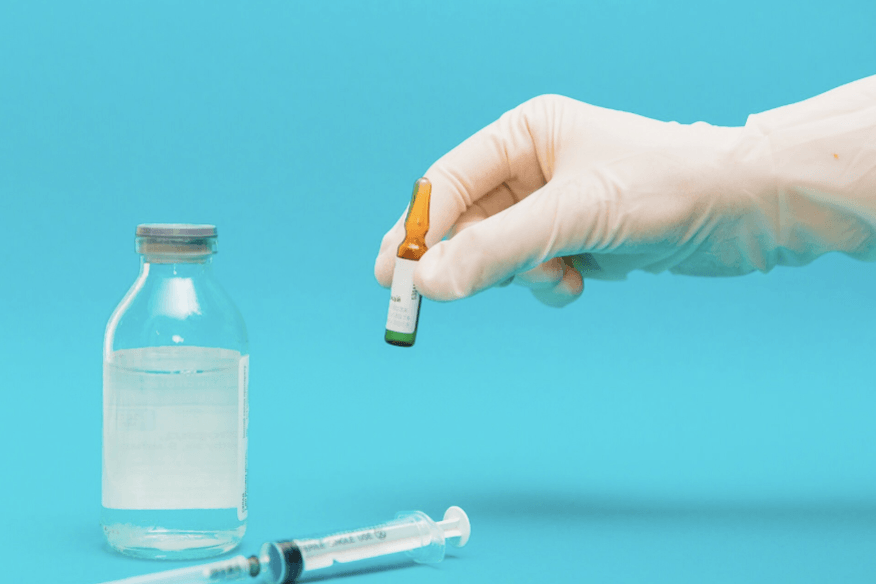
Product performance and consistency depend on the source of the human Serum Albumin.
Most of the products available in the laboratory are either human plasma-derived or recombinant. Understanding the differences between these options helps you select a product that aligns with your research goals.
Plasma-derived albumin has a long history of use in scientific research and biopharmaceutical development. However, natural biological variation may be present between donor-derived batches, despite the use of modern purification techniques, which improve safety and quality. This variability can have an impact on reproducibility depending on the application.
Controlled expression systems produce recombinant human Serum Albumin, which is increasingly being utilized in cell therapy, regenerative medicine, and bioprocess development. In general, recombinant production usually provides enhanced consistency, traceability, and quality control, which can be advantageous for scientists.
Factor 3: Endotoxin Specifications for Sensitive Cell Systems
One of the most important quality parameters that must be assessed prior to the procurement of human Serum Albumin is the endotoxin level.
Bacterial contamination, which contains endotoxins, can cause biological responses even in minute quantities. If endotoxin levels are not properly monitored, they can pose a major problem for cell culture applications.
When endotoxins enter a culture system, they can change cytokine production, affect cellular signaling pathways, or alter cell growth patterns. Scientists may invest a lot of time studying unusual outcomes and may become frustrated when they discover that the results were skewed by reagent contamination.
Low-endotoxin albumin supports cell therapy development, immune cell research, and stem cell expansion—sensitive applications that rely on strict control of cell-mediated events. Careful analysis of certificates and endotoxin testing data can provide you with the assurance that a product is suitable for meeting the needs of your laboratory process.
Factor 4: Batch Consistency Across Long-Term Research Projects
Scientific projects often extend over months or years. During that time, maintaining consistency between reagent batches becomes essential. Variations in albumin quality can introduce experimental differences that make long-term data comparison more difficult. This becomes even more critical when experiments require strict reproducibility across multiple study phases.
Human Serum Albumin frequently serves as a stabilizing component within cell culture media and biologics development workflows. Changes in purity, structure, or contaminant levels between lots may influence cellular responses and affect reproducibility.
Consistent materials help researchers maintain confidence in their results throughout the duration of a project.
Strong quality control systems help reduce batch-to-batch variation. Manufacturers that perform comprehensive testing for purity, protein characterization, and endotoxin levels can provide greater assurance that future lots will perform similarly to previous ones. Additionally, the importance of human Serum Albumin across biotechnology applications emphasizes the value of well-characterized materials in research environments:
Factor 5: Documentation Standards and Application Compatibility
Technical documentation provides insight into product quality, traceability, and suitability for laboratory use.
Before selecting human Serum Albumin, you should carefully review certificates of analysis, product specifications, and stability data. This information helps you understand how well the material has been characterized and whether it meets your research requirements.
This becomes especially important in regulated or translational research environments such as cell therapy development, regenerative medicine, or biologics manufacturing. Proper documentation supports compliance requirements and ensures traceability throughout your workflow.
Proper alignment between product characteristics and experimental needs improves reliability and performance. Moreover, the structural diversity and functional characteristics of albumin across biomedical applications highlight the importance of selecting well-characterized materials for research use.
Factor 6: Storage Conditions and Stability Control
Storage conditions directly affect the performance and reliability of human Serum Albumin over time. Even high-quality products can lose stability if they are not handled correctly during storage or use. Proper handling protocols are therefore just as important as the initial product selection.
Repeated freeze–thaw cycles, improper temperature control, or incorrect reconstitution methods can alter protein structure and reduce functional performance. This can introduce variability into sensitive applications such as stem cell culture or biologics research.
Such variability can compromise both short-term results and long-term study reproducibility.
Always follow recommended storage guidelines, including temperature requirements and shelf-life conditions. Proper handling ensures that the albumin maintains its functional integrity and supports consistent experimental results. This helps maintain reliability across repeated experiments and different stages of research workflows.
See also: Is Mediation Faster Than Traditional Divorce in MA?
Conclusion
Selecting human Serum Albumin requires more than a basic comparison of product specifications. You need to consider purity, source, endotoxin levels, batch consistency, documentation, application fit, and storage stability to ensure reliable performance in laboratory use. Each of these factors directly influences experimental reproducibility and overall research quality.
When you evaluate these factors carefully, you reduce variability and improve the consistency of your experimental outcomes. This leads to more reliable data and stronger confidence in your research across cell culture, stem cell studies, regenerative medicine, and biologics development.
A structured selection approach also helps you avoid unnecessary troubleshooting and experimental delays in long-term projects.