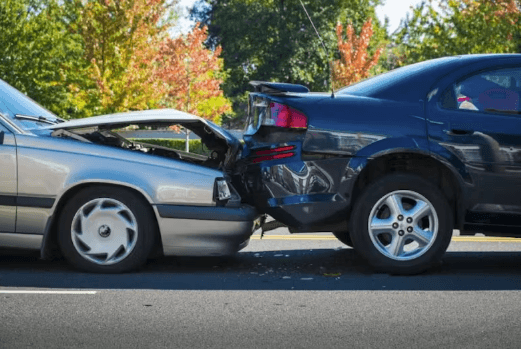
A collision scene starts changing almost at once. Traffic moves, weather shifts, and people who saw the impact head home before anyone asks detailed questions. An attorney steps in early to protect proof that may later be used to decide fault, injury value, and payment for care. That work often includes photographs, video, vehicle data, debris patterns, and witness accounts. Careful preservation gives injured people a stronger factual record before key details disappear.
First Response
The first few days after a wreck often decide whether strong proof survives. Skid marks fade, damaged parts get cleared, and nearby cameras may record over footage. In that narrow window, a car accident lawyer at Law Offices of SKG may send hold letters, request scene images, and secure witness names before recall weakens. Quick action keeps critical material from slipping away.
Scene Records
Early photographs can reveal lane positions, shattered glass, fluid stains, traffic signs, and sight obstructions. Video from stores, homes, or passing vehicles may capture speed, signal use, braking, or angle of impact. Attorneys usually prefer original files rather than screenshots or compressed copies. Native images often preserve timestamps, location tags, and sequence data. Those markers help reconstruction experts test how the crash unfolded.
Vehicle Damage
Vehicle crush patterns often speak more clearly than hurried statements. Deformation depth, paint transfer, bumper alignment, and intrusion into the cabin may indicate direction, force, and contact point. Lawyers often request that cars remain unrepaired until inspection is complete. Premature work can erase important clues. Storage receipts, tow logs, and yard photos also help confirm the vehicle stayed in the same condition after removal.
Electronic Data
Many modern vehicles store event data tied to braking, steering input, speed, seat belt use, and throttle position. That record may be lost after repair, salvage, battery failure, or later driving. Attorneys work with trained technicians who know how to capture the file without changing it. How records are handled also matters; a clear chain of custody helps address claims that the information was altered or improperly pulled.
Witness Accounts
Memory shifts faster than most people expect, especially after a sudden, stressful event. A prompt statement may capture light conditions, horn use, driver conduct, traffic flow, or signal color with better accuracy. Attorneys try to identify neutral observers early, then preserve their accounts while details remain fresh. Consistent recollections may support one version of events. Differences can also show where closer questioning is needed later.
Public Cameras
Intersections, bus stops, parking decks, and office buildings may hold footage that provides the clearest view of a crash. Many systems delete recordings after only a few days. Lawyers move fast to contact cities, businesses, or property managers before that cycle ends. Timing matters because some networks save very little. Once erased, a valuable recording of lane movement, signal use, or impact timing may be lost forever.
Road Conditions
Street design and maintenance can shape how crashes occur. Potholes, missing signs, poor lighting, obstructed views, or worn lane markings may increase risk. Attorneys document those conditions with fresh photographs, measurements, weather reports, and inspection records. Public repair logs may show that a hazard existed earlier. Prior complaints can also matter. That history may support a finding of shared fault involving a road agency or property owner.
See also: Understanding Business Loan Options for Entrepreneurs
Expense Proof
Financial harm requires documents that match the collision timeline. Attorneys gather towing charges, repair invoices, rental costs, wage records, pharmacy receipts, and treatment bills. Each item should fit the medical and factual record without gaps. Missing paperwork invites dispute. A well-organized file helps show how the crash affected household income, daily function, follow-up care, and projected medical needs over time.
Preservation Strategy
Strong claims usually rest on a disciplined process rather than guesswork. Attorneys build a timeline, track every request, and store material in a secure, traceable system. They may also consult reconstruction specialists, engineers, or medical experts when facts remain disputed. Each step protects reliability. Insurers and courts often give greater weight to proof gathered early, preserved carefully, and supported by clear handling records from start to finish.
Conclusion
Preserving crash evidence is a race against traffic, weather, repair work, and fading memory. An attorney helps protect facts before they are lost, altered, or erased. From scene photography to vehicle downloads, each piece may shape fault, injury value, and future care claims. Careful collection also strengthens the medical link between impact forces and physical harm. Clear proof gives injured people a fairer path during settlement discussions or trial.