A collision scene can lose key evidence within minutes. Vehicles get moved, fluid dries, and weather shifts how pavement appears. Photographs preserve spatial details before they change. Clear images help insurers, attorneys, and medical reviewers compare damage patterns, timing, and road conditions. For injured people, that record reduces reliance on memory alone. It gives a claim a firmer factual base, especially when pain, shock, or confusion makes later recollection less precise.
Early Images Matter
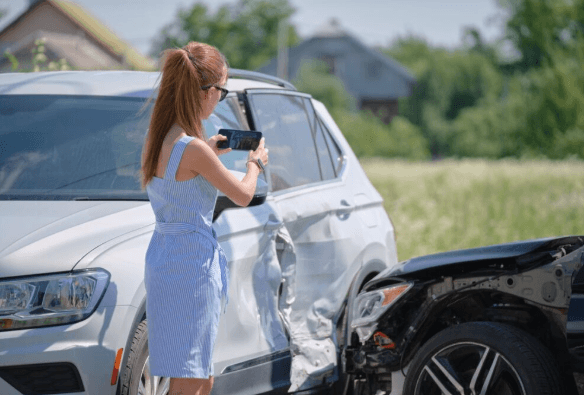
In the first moments after impact, people are often shaken, sore, and disoriented. Even so, a careful set of photographs can later help a Laughlin car accident lawyer at H&P Law show where each vehicle stopped, how debris spread across lanes, whether signal lights worked, and what nearby markings revealed about traffic movement before emergency crews changed the scene.
Evidence Can Fade
A police report can be useful, yet it rarely captures every physical clue. Photos may record broken trim, scraped metal, shattered glass, or fresh skid marks that suggest speed and direction. Those details matter because memory can shift after stress. Visual evidence holds steady. It helps connect physical findings to each driver’s statement, making disputed facts easier to assess.
Vehicle Positions Count
The resting place of each car often tells a clear mechanical story. Wide images can show lane position, shoulder distance, curb contact, or rotation after impact. Close frames reveal crush zones and transfer marks. When reviewed together, those pictures help explain movement, angle, and force. Words alone may miss that sequence, especially when several vehicles are involved, or traffic is heavy.
Road Conditions Shape Liability
Pavement condition can affect braking response, tire grip, and sight lines. Photos may capture pooled water, loose gravel, worn paint, potholes, blocked signage, or overgrown roadside brush. Each feature can influence driver behavior. A written description may sound vague later. An image taken at road level often shows why a person had limited time to react or reduced stopping control.
Visible Injuries Add Context
Medical records document care, though early photographs show how the body appeared before swelling. Bruising, abrasions, lacerations, redness, and soft tissue swelling may appear quickly after trauma. A dated image can help confirm timing. When stored carefully and paired with treatment notes, that visual record may support the seriousness of pain, tissue damage, or delayed symptom progression.
Time Helps Credibility
Most phones automatically record the date and time. That metadata can help establish the sequence and show that the images were captured soon after the crash. Insurers may question whether damage came from a separate event. A consistent timestamp weakens that argument. It also supports a more reliable timeline, which can matter when statements, two records, or emergency response notes differ.
Witness Accounts Need Support
Witnesses often remember fragments rather than a complete chain of events. A photograph can refresh recollection by showing a damaged sign, a blocked lane, or debris placement. That support can improve consistency without changing what a person actually observed. When testimony aligns with physical images, the account often appears more grounded. Reviewers are then less likely to dismiss a witness as uncertain.
Cleanup Can Hide Evidence
Crash scenes are temporary by nature. Tow trucks remove vehicles, officers redirect traffic, and weather can wash away marks on asphalt. Once that happens, important clues may vanish completely. Photos preserve those short-lived details before they disappear. This can matter in contested claims where one side later argues that the roadway looked different or the property damage was minor.
See also: Understanding Business Loan Options for Entrepreneurs
Repair Records Tell Less
Once repairs begin, the original damage pattern becomes harder to study. Pre-repair photos can show crushed panels, broken lights, deployed airbags, cracked glass, and intrusion into the passenger area. Those features may help experts estimate the severity of the impact. They can also support a medical argument that neck strain, chest bruising, or joint pain is consistent with the force seen in the vehicle.
Photos Encourage Fair Review
Claims are often judged by what can be demonstrated clearly. Photographs give insurers and attorneys something concrete to examine rather than reconstruct from competing accounts. That can narrow disputes about fault, damage, and environmental conditions. Images do not replace treatment records, repair estimates, or official reports. Still, they often strengthen every other piece of evidence by making the overall account easier to verify.
Conclusion
A well-documented crash scene can shape the strength of a claim long after the roadway is cleared. Photos preserve vehicle position, visible injury, surface hazards, and the timing of damage before those details change. That evidence reduces guesswork and supports a more accurate review. For injured people seeking fair treatment, prompt and careful photographs can be among the most useful forms of evidence available after a collision.