Choosing the right water heater is an important decision that affects your home’s comfort, energy efficiency, and long-term costs. With various types available, such as tank, tankless, heat pump, and solar, homeowners need to consider factors like household size, water usage habits, and available space. Energy efficiency ratings, upfront costs, and maintenance requirements also play a key role in determining which system will perform best over time. Understanding these basics can help narrow down options and prevent costly mistakes.
Beyond selecting the unit itself, proper setup and ongoing maintenance are essential for optimal performance. Researching reliable guidance, including resources on water heater installation and repair in St. George Utah, can provide helpful insights into best practices and common considerations. Taking the time to compare features, warranties, and professional recommendations ensures that the chosen system meets both current and future household needs.
Assess Your Household’s Hot Water Needs
The first step in choosing a new water heater is to determine how much hot water your family uses each day. Larger families or homes with multiple bathrooms usually require units with greater capacity. For example, a four-person household often needs a 50- to 60-gallon water heater, while singles and couples may be well served with a 30- to 40-gallon model. Also, consider peak usage times, such as mornings or evenings, when multiple appliances or showers may run simultaneously. Getting this calculation right helps avoid frustrating shortages and keeps everyone comfortable.
Consider Energy Efficiency
Modern water heaters offer a wide range of efficiency levels. Look for models with a high Uniform Energy Factor (UEF) rating, which indicates how efficiently they convert energy into usable hot water. For example, heat pump water heaters can be more than 300 percent efficient, offering exceptional long-term savings on energy bills. While highly efficient units may cost more upfront, their lower energy use can quickly offset the higher cost.
Evaluate Fuel Sources
Your home’s available fuel source has a major effect on which water heater can be installed. Here are the most common options:
- Electric: Easy to install and widely available, but can result in higher utility bills if local electricity rates are high.
- Natural Gas: Often less expensive to operate and provides hot water quickly, but requires proper venting for safety.
- Propane: Similar to natural gas, used mainly where gas lines are not available.
- Solar: Eco-friendly with the potential for significant long-term savings, but installation is more complex and upfront costs are higher.
Always select a water heater compatible with your home’s existing energy sources, and if you are considering a switch, factor in installation complexity and costs.
Understand Different Types of Water Heaters
The market offers several varieties of water heaters, each designed for a particular need:
- Storage Tank Water Heaters: These classic units hold a set amount of hot water and are a reliable solution for steady demand.
- Tankless (On-Demand) Water Heaters: Heating water only when needed, these units eliminate standby heat loss and ensure a continuous supply, making them ideal for smaller spaces or homes with infrequent usage.
- Heat Pump Water Heaters: By drawing heat from the surrounding air, these highly efficient models are best in temperate climates.
- Solar Water Heaters: Powered by solar energy, these units are best for those looking to minimize energy bills and environmental footprint, though they function best in homes with ample sunlight.
Each style has distinct installation requirements, cost structures, and potential for savings. Understanding these differences makes it easier to match your household’s needs with the right model.
Factor in Installation and Maintenance
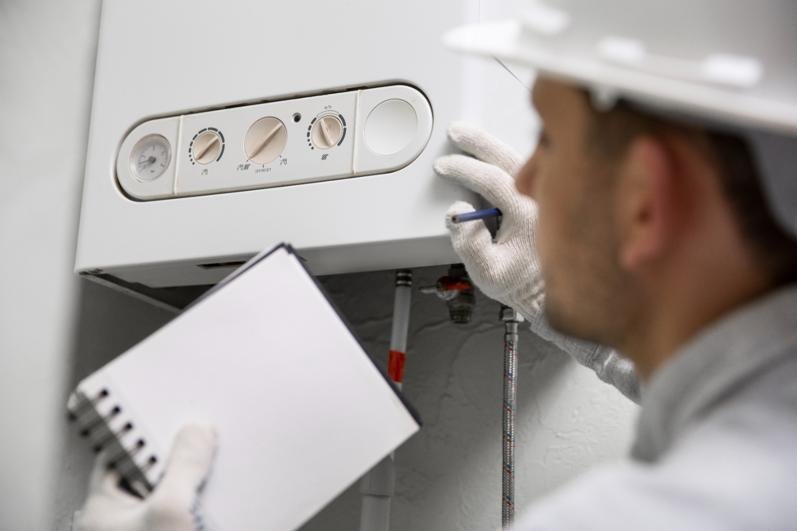
Water heater installation can vary significantly. Some systems, such as tankless models, may require extensive modifications to your plumbing or electrical setup, which can drive up labor costs. Routine maintenance includes flushing the tank, inspecting for sediment buildup, checking the pressure relief valve, and ensuring the anode rod remains effective. Keeping up with these tasks can extend the life of the heater and maintain efficiency. For installation or repairs involving gas or electrical systems, a licensed professional is often required by law.
Additional Features to Consider
Newer water heaters are packed with features that support efficient and convenient operation. Digital displays offer precise temperature control and display error codes or usage stats. Some models connect to Wi-Fi, letting you monitor and control your water heater from a phone or tablet. A robust warranty is another helpful feature, as longer coverage often correlates with higher product quality and peace of mind.
See also: Modern Home Remodeling Trends for 2026
Conclusion
Careful consideration of your household’s unique hot water needs, energy-efficiency targets, and available fuel sources will streamline the selection of a high-quality water heater. By understanding the various types of heaters and evaluating installation requirements, you will make a wise investment that supports comfort, savings, and sustainability. Consulting with professionals ensures your system is installed correctly and maintained for peak performance, helping your new water heater serve your family reliably for years to come.