It can be unsettling when your eyelid suddenly starts to twitch for no apparent reason. These brief involuntary spasms, medically called myokymia, are experienced by many people and are seldom a sign of something serious. Learning about the different triggers and solutions can offer valuable peace of mind and strategies for minimization. For an in-depth discussion on the topic, check out this guided resource: Why is my eye twitching
Most individuals will experience eye twitching at some point in their lives. While the physical sensation is often minor, understanding why it happens can help you make simple adjustments to lessen or prevent it. In general, lifestyle, stress, and certain habits play significant roles in how frequently you experience these spasms. With a few proactive steps, you can greatly reduce their occurrence and impact on your day-to-day life.
Sometimes, an eye twitch can signal that your body needs attention, whether due to stress, diet, or eye strain from modern digital habits. It is important to listen to these cues and take action to maintain your comfort and eye health. By identifying root causes, you can better manage symptoms and improve your overall well-being.
This article will break down common causes, prevention strategies, key lifestyle changes, and when it is recommended to consult a professional. You will also find practical advice on managing digital eye strain, nutritional suggestions, and proven stress reduction techniques.
Common Causes of Eye Twitching
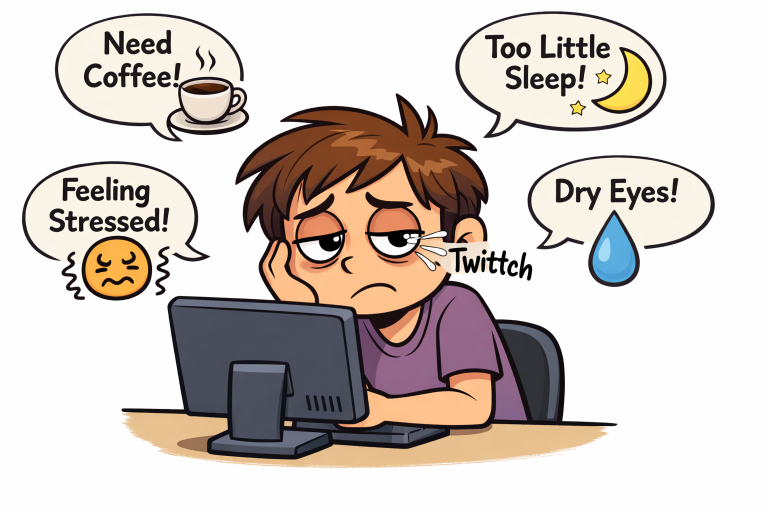
Several key factors can bring on eyelid twitches. Understanding what causes your eyelid to spasm can help you identify ways to reduce the frequency of these incidents.
- Fatigue and Lack of Sleep: Not getting enough sleep can lead to muscle overuse and eyelid twitches as your body tries to recover.
- Stress: Emotional tension and stressful situations are frequent triggers for muscle spasms around the eyes.
- Caffeine and Alcohol Consumption: Consuming large amounts of coffee, tea, or alcoholic beverages can overstimulate your nervous system, which controls your eyelid muscles.
- Eye Strain: Staring at computer screens for extended periods challenges your eye muscles. Without regular breaks, this can contribute to twitching.
- Dry Eyes: Decreased moisture can make your eyes feel irritated, sometimes leading to spasms as a reaction.
According to Harvard Health Publishing, activities that increase stress and fatigue can also overlap with increased screen time. This means causes often layer together, requiring a multi-faceted approach to reduce symptoms.
When to Seek Medical Advice
Most cases of eye twitching resolve on their own and are not cause for worry. However, there are situations where seeking medical advice can be important. Some warning signs include:
- Twitching that lasts more than a few weeks without improvement.
- Involvement of other facial muscles or noticeable facial weakness.
- Eye redness, swelling, or unusual discharge.
- Developing a drooping eyelid.
Should these symptoms arise, consulting an eye care professional can rule out more serious underlying conditions.
See also: Modern Dentistry Trends for a Healthier Smile
Effective Remedies and Prevention
Minor lifestyle adjustments are often enough to keep eyelid twitching under control. Here are some proven ways to address symptoms and lessen recurrence:
- Get Enough Rest: Achieving 7 to 8 hours of sleep gives your muscles—including those controlling eyelids—ample time to recover.
- Practice Stress Reduction: Meditation, yoga, and breathing exercises can help your body handle stress in a healthier way.
- Moderate Intake of Stimulants: Cut down on caffeine and alcohol to reduce overstimulation of your nervous system.
- Take Routine Screen Breaks: The 20-20-20 rule suggests looking at an object 20 feet away for 20 seconds every 20 minutes to help eyes refocus and relax.
- Stay Well-Hydrated: Drinking water regularly helps keep your eye tissues healthy and lubricated.
Alongside these adjustments, consider lubricating eye drops if you frequently experience dry eyes, especially in climates with harsh indoor heating or air conditioning.
Lifestyle Adjustments to Reduce Eye Twitching
Committing to long-term health practices can limit the frequency of eye twitching. Engage in regular physical activity to boost overall muscle tone and circulation, which benefits all muscles, including those around your eyes. Make healthy food choices and maintain hydration to decrease the likelihood of muscle irritation.
The Role of Nutrition in Eye Health
Your nutritional choices are key to supporting smooth muscle function throughout your body. Magnesium and potassium are especially important for muscle health. Leafy greens, nuts, seeds, avocados, and bananas are great dietary choices. Magnesium deficiency is a known cause of muscle cramps and spasms in general, so eating to prevent deficiency is a smart move.
Managing Screen Time and Eye Strain
Digital screens are a major contributor to modern eye strain. To reduce the toll on your eyes, use screen filters, adjust device brightness, and maintain a comfortable viewing distance. Keeping the room well-lit and reducing glare from windows or lamps will further relieve pressure from your eyes. Practicing focused eye movement exercises can also help maintain flexibility and comfort. Tips like these are regularly featured on resources like WebMD, providing further support on device use and eye care.
Stress Management Techniques
Effectively managing your stress levels is one of the best ways to prevent eye twitching and optimize your overall health. Try integrating deep breathing, progressive muscle relaxation, or guided meditation into your routine. Even simple hobbies, such as reading, gardening, or gentle exercise, can significantly reduce anxiety and muscle tension.
Conclusion
Eye twitching is a common occurrence that is rarely a cause for alarm. Making simple lifestyle changes, prioritizing self-care, and seeking medical advice when symptoms are prolonged or severe will help you address the problem at its root. Stay attentive to your body’s signals and use preventive strategies outlined here to keep your eyes healthy and comfortable.