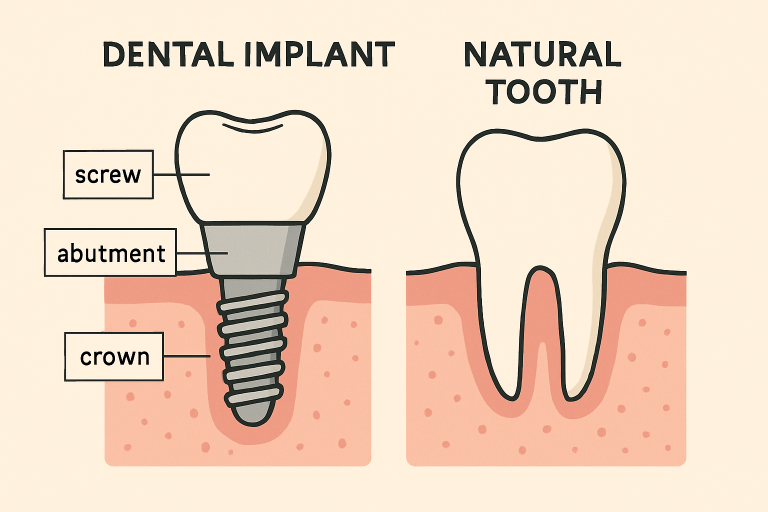
Dental implants offer a long-lasting and lifelike solution for individuals with missing teeth, and the technology behind them continues to advance rapidly. Modern innovations are transforming what patients can expect from tooth replacement, from increased comfort to faster recovery. Addressing oral health issues before implant treatment is essential, as underlying problems such as bleeding gums can impact the success and longevity of implants. With these new developments, the future of dental restoration is becoming brighter and more customized to each individual’s needs.
Contemporary science is introducing new materials, digital workflows, and even regenerative techniques that are improving the longevity and aesthetics of dental implants for a wider range of patients. Staying informed about these changes helps individuals make better decisions about their oral health and ensures that they benefit from the most effective and reliable treatments available today. Additionally, the patient journey is also improving, as technologies such as digital imaging, virtual consultations, and interactive treatment previews enable better communication between dental professionals and their patients. By providing visualizations of proposed outcomes, these tools empower individuals to take an active role in their care.
Advancements in Implant Materials
The traditional choice for dental implant material has been titanium, largely due to its strength, reliability, and ability to integrate with bone. However, aesthetics are increasingly playing a bigger role. Zirconia, a tooth-colored material, is being adopted for its natural appearance, especially for patients with thinner gum tissue. This minimizes the risk of gray tones appearing near the gumline, making implants look more like real teeth. These material improvements are resulting in better outcomes for patients, especially when high cosmetic standards are a concern.
In addition to titanium and zirconia, composite materials and newer biocompatible coatings are under development, offering improved integration with surrounding bone and gum tissue. These advancements reduce the risk of inflammation and allergic reactions while promoting faster healing after implant placement. The focus is not only on the visible portion of the replacement tooth but also on improving the implant’s long-term stability and the overall health of the mouth.
Digital Dentistry and 3D Printing
Digital tools are revolutionizing dental implantology from diagnosis to final restoration. Digital imaging, along with computer-aided design and manufacturing (CAD/CAM), allows clinicians to precisely plan implant placement, visualize jaw structures, and simulate the final outcome before any procedure is started. 3D printing allows for highly personalized prosthetics, such as crowns or abutments, that are tailored to fit each patient perfectly. This results in improved accuracy, reduced production times, and fewer visits. The merging of these technologies is making the implant process smoother and more predictable, both for dentists and patients.
These advances not only speed up the treatment process but also support greater flexibility. For example, digital workflows make it easier to reproduce prosthetics in the future if repairs or adjustments are required, ensuring continuity of care. Additionally, virtual reality (VR) and augmented reality (AR) are being piloted for patient education and surgeon training, contributing to greater transparency and confidence in implant procedures.
Minimally Invasive Surgical Techniques
Modern implant surgery focuses increasingly on minimizing trauma to the mouth. Smaller incisions and guided surgery tools, often based on digital scans, result in less swelling, shorter recovery periods, and a lower risk of complications. These advanced methods also reduce the anxiety associated with traditional oral surgeries, making dental implants accessible to more people. Enhanced healing also leads to a quicker return to normal eating and speaking habits, which are especially important for people who are seeking fast functional improvement after tooth loss.
The use of flapless surgery and keyhole techniques means that patients with certain underlying health conditions, who previously may not have been ideal candidates for implants, can safely undergo tooth replacement with reduced risk. New anesthetic methods and advances in sedation dentistry further contribute to a more relaxed, pain-free experience, reinforcing the appeal of modern dental implants.
See also: How Technology Innovation Shapes Modern Business Strategy
Artificial Intelligence in Treatment Planning
Artificial intelligence (AI) is playing an expanding role in dental implantology. AI-driven software can assess scans, analyze patient data, and suggest optimal implant placement based on individual anatomy and risk factors. This data-driven approach can decrease human error during planning and allow dentists to make more informed decisions. AI also helps dentists anticipate possible complications before they occur and provides more comprehensive care. As AI continues to evolve, it is likely to bring even greater efficiency and accuracy to the field.
AI is also improving patient follow-up and aftercare. Intelligent systems can remind patients of post-surgical care steps, monitor signs of potential complications through mobile apps, and schedule timely checkups. As a result, the relationship between care provider and patient becomes increasingly proactive and responsive, leading to steadily higher success rates and satisfaction with implant outcomes.
Regenerative Medicine and Tooth Regeneration
One of the most exciting areas of research in dental implants is regenerative medicine. Scientists are experimenting with stem cells, growth factors, and scaffolding materials to regenerate lost tooth and bone tissue. Although true biological tooth regeneration is not yet available, early results show great promise for a future where a patient’s own cells could help regrow lost or damaged teeth. These breakthroughs could one day provide natural and permanent alternatives to implants, completely transforming tooth replacement therapy.
Researchers are also exploring molecules that stimulate the body’s own healing processes, encouraging bone and soft tissue regeneration around the implant site. In the coming years, advances in personalized medicine and genetic engineering may allow for even more tailored regenerative solutions, maximizing dental restoration outcomes for patients with complex needs or underlying conditions that currently limit implant options.
Conclusion
The dental implant field is advancing rapidly, driven by improved materials, digital customization, and smarter surgical planning. The integration of new technologies such as 3D printing and artificial intelligence ensures a more precise and personalized approach to each patient. These developments are reducing recovery times, making procedures less invasive, and improving aesthetic outcomes. Looking ahead, ongoing research into regenerative medicine could make biological tooth regeneration a reality, offering even more options for those seeking to restore their smiles in the most natural way possible.
Patients and dental professionals can look forward to a future where tooth loss is addressed with a wide spectrum of minimally invasive, highly effective, and entirely personalized approaches. As technology and science continue to drive progress, dental implants will become even safer, more predictable, and more accessible, transforming oral health and the patient experience for generations to come.