Starting orthodontic treatment often feels like a strong step toward a better smile. But finishing it is where many people struggle. With clear aligners, success depends less on the technology and more on daily habits.
While the system itself is designed to be efficient and predictable, not everyone completes treatment as planned. Understanding why this happens can help patients make better decisions and stick with them.
Why Clear Aligners Require Consistency
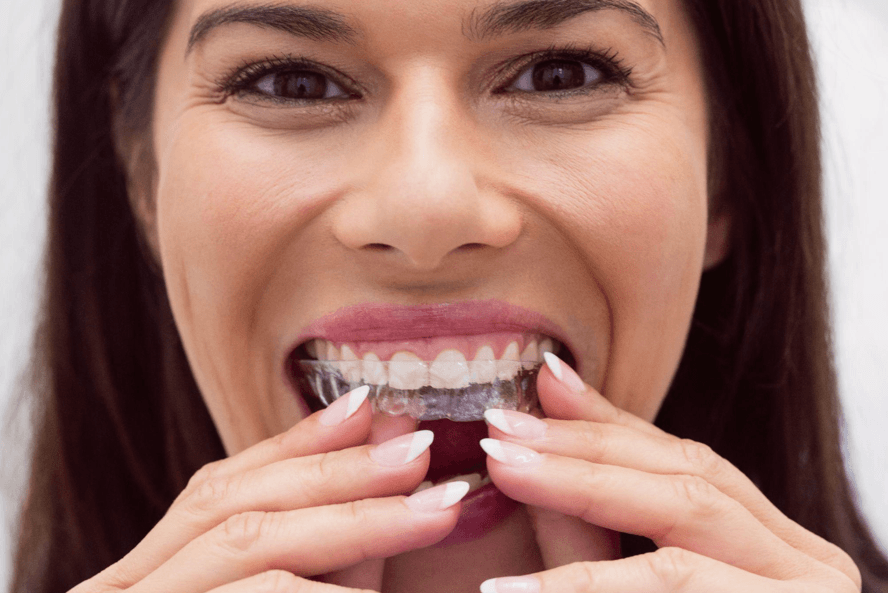
Unlike fixed braces, clear aligners are removable. This is part of their appeal, but it also creates responsibility.
Most treatment plans require wearing aligners for 20 to 22 hours a day. That leaves only a small window for eating, drinking (anything other than water), and cleaning.
If aligners are worn less than recommended, tooth movement can slow down or become inconsistent. Over time, this can lead to delays or the need for adjustments.
An orthodontic plan is built on steady, controlled movement. Without consistency, even well-designed, clear aligners cannot deliver the intended results.
Discipline Fatigue Is Real
At the start, motivation is usually high. Patients follow instructions carefully and stay on schedule. But as weeks turn into months, it becomes harder to maintain the same level of discipline.
This is often called “discipline fatigue.”
Wearing clear aligners every day, removing them before meals, cleaning them, and remembering to put them back in can feel repetitive. Life gets busy, routines change, and small lapses begin to add up.
Skipping a few hours may not seem like a big deal at the moment. But repeated inconsistencies can affect progress in noticeable ways.
Lifestyle Friction Adds Up
One of the most common reasons people struggle with clear aligners is lifestyle friction.
Simple daily habits become more structured-
- Snacking requires removing aligners.
- Drinks other than water are limited.
- Meals need planning to avoid frequent removal.
For some, this structure feels manageable. For others, it becomes inconvenient over time.
Social situations can also play a role. Eating out, attending events, or traveling may disrupt routines. Patients may delay putting their aligners back in or forget altogether.
These small disruptions can gradually reduce wear time, which affects treatment outcomes.
Not Everyone Is an Ideal Fit for Clear Aligners
Clear aligners work well for many people, but they are not the right choice for everyone.
Patients who-
- Have unpredictable schedules.
- Struggle with routine-based habits.
- Prefer a more “set it and forget it” approach.
may find it difficult to stay consistent.
In such cases, fixed options like ceramic teeth braces can sometimes be more practical. Since they are not removable, they continue working without requiring daily decisions.
An orthodontist’s role is to assess not just dental needs but also lifestyle and behavior patterns. This helps ensure the chosen treatment aligns with the patient’s ability to follow through.
The Psychology Behind Quitting
Quitting treatment is rarely a sudden decision. It often happens gradually.
Patients may start by wearing their clear aligners for fewer hours. Then they delay switching to the next set. Eventually, the routine breaks down completely.
There can also be a mental factor. If progress feels slow or less noticeable, motivation can drop. Without visible changes, it becomes harder to stay committed.
This is why regular check-ins and clear expectations are important. When patients understand that progress takes time and see small improvements, they are more likely to stay engaged.
See also: How Regular Sauna Use Supports Heart Health and Circulation
What Actually Helps Patients Stay on Track
While challenges are common, many patients successfully complete treatment with clear aligners. The difference often comes down to a few practical strategies.
1. Building Simple Routines
Linking aligner use to daily habits can make it easier to stay consistent. For example, putting aligners back in immediately after brushing creates a clear pattern.
2. Reducing Decision Fatigue
Planning meals and limiting unnecessary snacking can reduce the number of times aligners need to be removed.
3. Setting Realistic Expectations
Understanding that treatment is gradual helps manage frustration. Small, steady changes are part of the process.
4. Staying Accountable
Regular follow-ups with an orthodontist provide structure and support. Patients who stay connected to their care plan are less likely to fall off track.
5. Choosing the Right Treatment from the Start
In some cases, alternatives like ceramic braces may be a better fit. Making the right choice early can prevent frustration later.
Practices such as Textbook Orthodontics often focus on helping patients choose treatments that match both their dental needs and daily routines.
When Switching Makes Sense
Sometimes, despite best efforts, clear aligners may not be the right long-term solution.
If a patient consistently struggles with wear time or finds the routine overwhelming, switching to a fixed option can help maintain progress. This is not a failure; it is an adjustment based on real experience.
The goal is always the same: achieving a healthy, functional, and balanced smile.
Final Thoughts
The success of clear aligners depends on more than just the treatment plan. It relies on daily habits, consistency, and realistic expectations.
Many patients start with good intentions but face challenges along the way. By understanding the commitment involved and choosing a treatment that fits their lifestyle, they can improve their chances of finishing strong.
In the end, orthodontic care is not just about moving teeth. It is about building a routine that supports long-term results, one small step at a time.