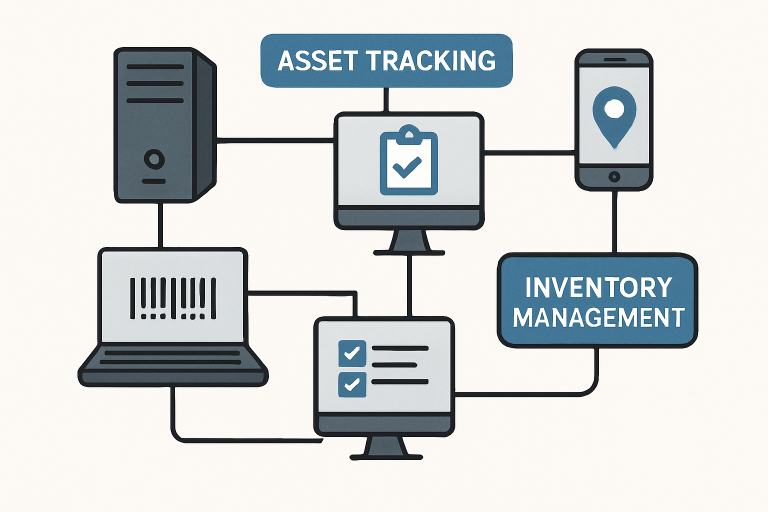
Effective network management is not just about connectivity; it’s a driving force behind business efficiency and reduced downtime. As digital environments grow more complex, robust inventory and asset tracking elevate control and transparency across infrastructure. Organizations must proactively implement strategies and leverage technologies to maintain accurate, actionable records. An essential foundation includes tools such as network inventory management software to gain real-time visibility into network assets and the overall IT environment.
With cybersecurity threats and compliance regulations evolving, network teams need systems that minimize gaps and prevent asset mismanagement. Adopting best practices in inventory management ensures the right tools are available to troubleshoot incidents, support growth, and protect business continuity. In today’s competitive landscape, streamlined asset tracking can yield substantial savings, improve decision-making, and enhance operational resilience.
Comprehensive Asset Inventory
A centralized and thorough asset inventory is the cornerstone of any mature network operations model. Each piece of hardware, licensed software, digital service, and network-connected device should be cataloged in detail, including serial numbers, warranty periods, user assignments, and service status. Modern organizations rely on automated asset discovery tools that continually scan the network, identify every device, and automatically update records to provide a “single source of truth.” According to a CSO Online asset management report, regularly updating inventory systems reduces equipment loss and unplanned downtime by as much as 45%.
Asset inventories are no longer static spreadsheets. Leading solutions enable IT to map asset relationships, monitor health, and ensure licensing compliance. Proactive inventory management supports faster onboarding, easier equipment replacements, and clearer visibility during mergers or audits, making it an organizational asset in its own right.
Leveraging Automation Tools
Manual tracking is time-consuming and error-prone. Automation tools minimize these challenges, streamline asset lifecycle management, and enhance accuracy. Automated network discovery utilities can gather device and usage data in real time, alerting teams to changes, such as new connections, device removals, or policy violations. This automation not only saves labor but also triggers proactive maintenance and renewal processes, ensuring that every piece of equipment is secure, maintained, and up to date.
Real-time automation enables scaling the network without losing oversight. When workspace expansions or application rollouts occur, automated systems update inventories in parallel, ensuring that IT always has granular, actionable data available for troubleshooting and compliance.
See also: Transformative Document Management Software for Modern Businesses
Implementing Advanced Tracking Technologies
Technologies such as RFID (Radio Frequency Identification) and Ultra-Wideband (UWB) are transforming how assets are tracked both physically and digitally. RFID tags attached to devices enable automated monitoring, reducing manual entry and improving asset location accuracy. UWB, known for its exceptional precision (ranging down to a few centimeters), is deployed in high-value asset environments where accurate, real-time location tracking prevents loss and streamlines asset utilization.
These technologies not only increase accountability but also accelerate asset audits and enhance business intelligence on infrastructure usage patterns. For organizations with remote and hybrid teams, advanced tracking ensures critical resources are available where and when needed, supporting adaptable work models.
Regular Audits and Updates
Auditing is an essential safeguard that maintains inventory accuracy. Regular audits identify discrepancies, such as missing, duplicated, or underutilized assets, and enable organizations to assess and improve the integrity of their network-tracking systems. Automated tools play a central role here, continually reconciling records and flagging anomalies. Research shows that organizations using automated auditing observe a 40% reduction in asset-tracking errors compared to manually managed inventories.
Routine audits are also essential for compliance, confirming that asset records comply with industry regulations such as HIPAA or GDPR. Proactive updates, including documenting software changes and hardware replacements, keep records relevant and reliable year-round.
Integration with IT Service Management
Asset tracking should never exist in a silo. Modern network management incorporates asset data into IT Service Management (ITSM) platforms, such as service desks and Configuration Management Databases (CMDB). This integration connects inventory records to incident, change, and request processes, accelerating incident resolution by providing support teams with accurate asset information when it’s needed.
Organizations that tightly integrate asset management and ITSM processes are better positioned for informed decision-making, efficient change management, and smoother rollouts. This unified approach paves the way for predictive analytics and machine learning, further optimizing IT operations.
Training and Employee Engagement
Adopting new inventory management systems or advanced tracking platforms requires investment in the workforce. Effective training and ongoing engagement empower staff to fully utilize tracking technologies and comply with processes, resulting in smoother workflows and higher productivity. Well-trained employees reduce the probability of human error and help unlock the full potential of modern asset management systems.
Additionally, integration with supplier platforms and procurement streams can boost transparency; this collaborative approach prevents supply shortages, mitigates risk, and ensures clarity across the entire network asset lifecycle. Studies by Forbes show that organizations investing in employee training realize, on average, a 25% increase in productivity in digitally transformed environments.
Data-Driven Decision Making
Leveraging analytics from integrated network inventory systems enables organizations to anticipate needs more effectively, optimize asset turnover, and spot trends affecting network demand. Tools that generate actionable reports enable leaders to adapt quickly, redirecting resources or investing in upgrades based on concrete evidence rather than assumptions.
Continuous review and refinement of integration and analytics tools ensure the organization remains agile and ready to respond to unique market pressures or technology shifts. With a data-driven foundation, companies create a culture of continuous improvement in network management strategy.
Final Thoughts
Innovative asset and inventory management is the backbone of streamlined, secure, and scalable network operations. By building comprehensive inventories, leveraging automation, deploying advanced tracking, prioritizing regular audits, integrating ITSM, focusing on staff training, and relying on data for decisions, organizations can boost network uptime, protect resources, and achieve measurable savings. Progressive strategies in inventory tracking don’t just support IT, they empower the entire business to reach new levels of productivity and resilience.