North Mississippi’s diverse climate, characterized by hot, humid summers and mild winters, has a significant impact on tree health and vitality. The region faces a unique set of challenges and opportunities due to its mix of weather patterns throughout the year. Homeowners, land managers, and gardeners in North Mississippi must pay close attention to these seasonal shifts in order to provide the best care for their trees. Understanding how seasonal variations impact trees is crucial for maintaining vibrant landscapes and flourishing forests in the region, not to mention preserving property value and ecological balance. For those seeking professional assistance, Garrison McKinney Tree Service offers comprehensive tree care services in North Mississippi. Rooted in Tupelo, MS, this company embodies a legacy of expertise, dedication, and four generations of knowledge, proudly serving all of North Mississippi and beyond.
Additionally, proactive tree maintenance—such as proper pruning, soil management, and timely inspections—can help mitigate weather-related stress and prevent long-term damage. By combining informed seasonal care with support from experienced local professionals, property owners can ensure their trees remain healthy, resilient, and beautiful year-round.
Spring: A Time for Growth and Vigilance
As temperatures rise and daylight lengthens, trees in North Mississippi emerge from winter dormancy and enter a period of rapid, robust growth. The swelling buds signal the onset of a new growing season, as trees push out fresh leaves and expand their canopies to harvest energy from the sun. This season is ideal for pruning, as timely, careful pruning helps encourage healthy shoot development, shapes the tree’s structure, and can reduce the incidence of disease by allowing better airflow through the branches. However, spring also brings its own set of challenges, most notably increased rainfall and humidity, which provide perfect conditions for the proliferation of fungal diseases and pathogens. One of the most concerning issues is the rise in fungal infections, such as pine needle blight. This disease, caused by the fungus Lecanosticta acicola, has been increasingly affecting mature loblolly pines across the southeastern United States, leading to premature needle drop and, over time, a decline in tree vigor. Early detection and intervention, including the removal of affected branches and the application of appropriate fungicides, are essential for protecting trees during this period. Moreover, homeowners should be on the lookout for pests that become active as the weather warms, as some insects overwinter in bark crevices and resume feeding in spring, potentially spreading pathogens as they move from tree to tree.
Summer: Heat Stress and Pest Activity
The intense heat and frequent periods of drought typical of North Mississippi summers pose significant stress to both young and mature trees. During prolonged heatwaves, trees lose moisture rapidly through their leaves in a process called transpiration, which, when not balanced by regular rainfall or supplemental watering, can lead to severe water deficits and physiological stress. Stressed trees produce fewer sugars and are less able to defend themselves against pest invasions and disease outbreaks. This weakened condition makes them especially susceptible to infestations, such as the southern pine beetle, a notorious native insect capable of devastating entire pine stands when conditions are favorable for its reproduction. In recent years, cycles of drought have exacerbated beetle outbreaks, resulting in substantial timber losses and threatening both commercial forestry operations and local ecosystems. The heat also encourages the proliferation of other pests, such as scale insects, aphids, and borers, which can weaken trees further by feeding on the sap or boring into trunks and branches. It is crucial for property owners to implement practices that reduce tree stress during the summer, such as mulching to conserve soil moisture, deep watering during dry spells, and regular inspections for early signs of pest presence. Quickly addressing pest problems and maintaining tree health can prevent small issues from becoming widespread infestations.
Fall: Preparing for Dormancy
During fall, as daylight hours decrease and temperatures cool, trees begin to slow their metabolic processes in preparation for the winter months ahead. Deciduous trees shed their leaves, a process that helps conserve water and protect against cold damage. In contrast, evergreen species, such as many southern pines, retain their needles but also experience a slowing of growth. This period is particularly suitable for light pruning—removing dead, diseased, or hazardous branches that could pose risks during stormy winter weather. However, it’s important to avoid heavy pruning, as significant cutting can stimulate a flush of new growth that may not have enough time to harden before winter sets in. Tender new shoots are vulnerable to frost and freezing temperatures, which can lead to dieback and further stress the tree as temperatures drop. Additionally, fall is an excellent time to inspect trees for any signs of declining health that may not have been visible in the summer, such as root rot, fungal growth at the base, or persistent pest problems. Cleaning up fallen leaves and debris from around the base of the tree can also help reduce the habitat for overwintering pests and diseases, providing trees with a healthier starting point when the next growing season arrives.
Winter: Assessing and Mitigating Damage
Winter storms, including wind, ice, and occasional snow events, can cause significant physical damage to trees across North Mississippi. This is especially true for pine trees, which, due to their evergreen nature, retain needles year-round. These needles can collect ice during freezing rain events, greatly increasing the weight on branches and often resulting in breakage, split limbs, or even uprooted trees during severe storms. Ice-laden branches can pose a serious safety risk to people and property below. Therefore, after such weather events, it is crucial to thoroughly assess trees for damage. Look for broken branches, torn bark, and split crotches at major branch junctions. Prompt removal of damaged limbs through correct pruning techniques helps prevent secondary problems, such as pest attacks or the entry of fungal pathogens through open wounds. In cases of severe structural injury or when a tree poses an ongoing hazard, consulting a certified arborist ensures safe and effective management. Additionally, winter provides a good opportunity to plan and schedule any major tree care activities or removals, as the dormant season minimizes stress on the tree and the surrounding environment.
[suggestion]A simple illustration showing a single tree experiencing the four seasons—spring, summer, fall, and winter—each represented in a quadrant to highlight how the same tree is affected during different times of the year.[/suggestion]
See also: Transformative Document Management Software for Modern Businesses
Best Practices for Year-Round Tree Care
- Regular Inspections: Monitor trees for signs of stress, disease, or pest infestations throughout the year. Catching problems early improves outcomes for tree health and safety.
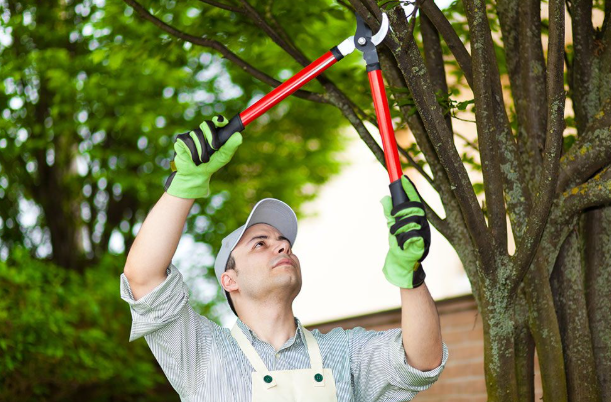
- Proper Pruning: Time pruning activities to align with seasonal guidelines. This promotes healthy growth, improves tree structure, and greatly reduces the risk of disease or pest entry.
- Mulching: Apply mulch in a wide ring at the base (but not against the trunk) to conserve soil moisture, regulate temperature, and help suppress weeds that can compete with tree roots for water and nutrients.
- Watering: During dry periods, provide supplemental watering, especially for newly planted trees, to help them establish strong, deep root systems and reduce the risk of severe drought stress.
FAQs
When is the best time to prune trees in North Mississippi?
The optimal time for pruning most trees in North Mississippi is during the dormant season, typically in late winter (January and February). This timing allows wounds to heal quickly as spring growth begins, and it reduces the likelihood of infection or pest intrusion. Always use sharp, sanitized tools and avoid heavy pruning during the active growing season, as this can weaken trees and expose them to unnecessary stress.
How can I protect my trees from pests like the southern pine beetle?
Maintaining tree health through proper watering, mulching, and timely pruning can significantly reduce susceptibility to pests, such as the southern pine beetle. Additionally, thinning overcrowded stands of pine trees improves airflow and sunlight penetration, which can make conditions less favorable for beetle infestation. Regularly inspect your trees, particularly pines, for early signs of beetle activity, such as pitch tubes or boring dust. If an infestation is suspected, contact a local arborist or forestry expert.
What should I do if my trees are damaged during a winter storm?
After ensuring personal safety and assessing any immediate hazards, examine your trees for storm damage, such as broken limbs, split trunks, or trees that are leaning. Avoid attempting dangerous removals yourself and consult with a certified arborist to determine the best course of action. Proper pruning, cabling, or, in some cases, removal may be necessary to restore safety and health to your landscape.
Conclusion
Understanding the impact of seasonal changes on tree health in North Mississippi is essential for effective, proactive tree care. By aligning maintenance practices with the specific weather conditions and growth cycles of each season, homeowners and landowners can ensure the longevity and vitality of their trees. These efforts not only protect property and promote ecological diversity, but also help maintain the beauty and resilience of North Mississippi’s lush, forested landscapes for generations to come.